Meet Me at the Lightswitch Rave
By Ellie ZygmuntThe sensory quality of the internet from 2000-2010 is wildly different from what it’s like now. A brief history of that sensory evolution from 2000 to 2011-ish goes something like this:
Homebrew HTML + CSS -> Skeuomorphism -> Flat Design -> Homebrew HTML + CSS, but Make It Tasteful
How people interacted with the internet changed drastically over the course of a decade thanks to the introduction of smarphones. Before smartphones, everyone interacted with software and webpages in the same way: in a desktop environment with a square screen. Once we had smartphones, however, suddenly people were looking at the internet in portable rectangles. The size of that rectangle could change with each new device generation, and each type of device. Someone needed to figure out how to design a consistent experience for a multitude of screens. Thus we arrive at responsive design, a way to standardize the browsing experience across multiple devices. With the implementation of responsive design standards, we get the rise of UI/UX design as a profession, followed in relatively short order by the general en-slickification of the internet.
The invention of the iPhone completely changed the evolution of the internet and played a huge part in denaturing the wildness of 2000s design. If you mourn the aesthetic loss of the 2000s internet you can credibly blame Steve Jobs. In fact, I would encourage you to do so. It’ll feel cathartic.
The visual aesthetic of the pre-2010 internet is admirably preserved by sites like Web Design Museum. Its aesthetic exuberance also persists online, albeit in much smaller pockets, like Neocities continuing to live on in wild defiance of modern web design standards. There’s also been a revival in early ’00s design. I would suggest that as Millennials have grown up and taken charge of design and marketing gigs, we’ve started to nostalgia mine our adolescent years for design inspiration. We’re sick of block design and gutless sans serif font choices, so it’s right back around to unironic use of Comic Sans and the return of neon background colours. Homebrew HTML + CSS, but Make It Tasteful.
Something else is also coming back with the rising tide of nostalgia: the sound of the 2000s.
Consider the following images:
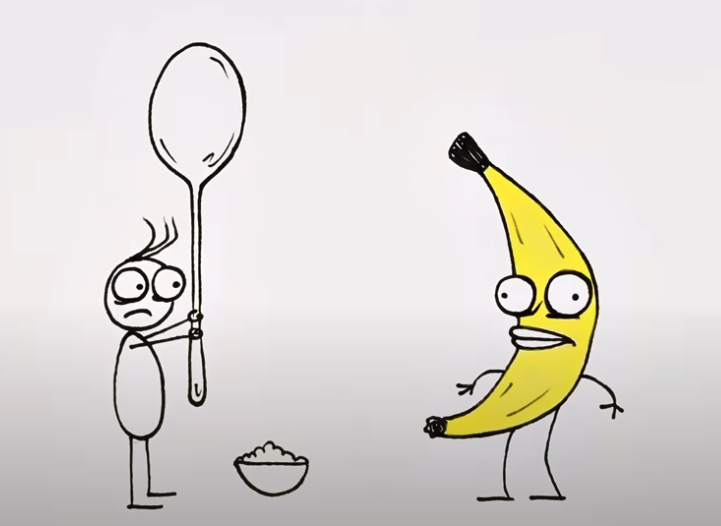

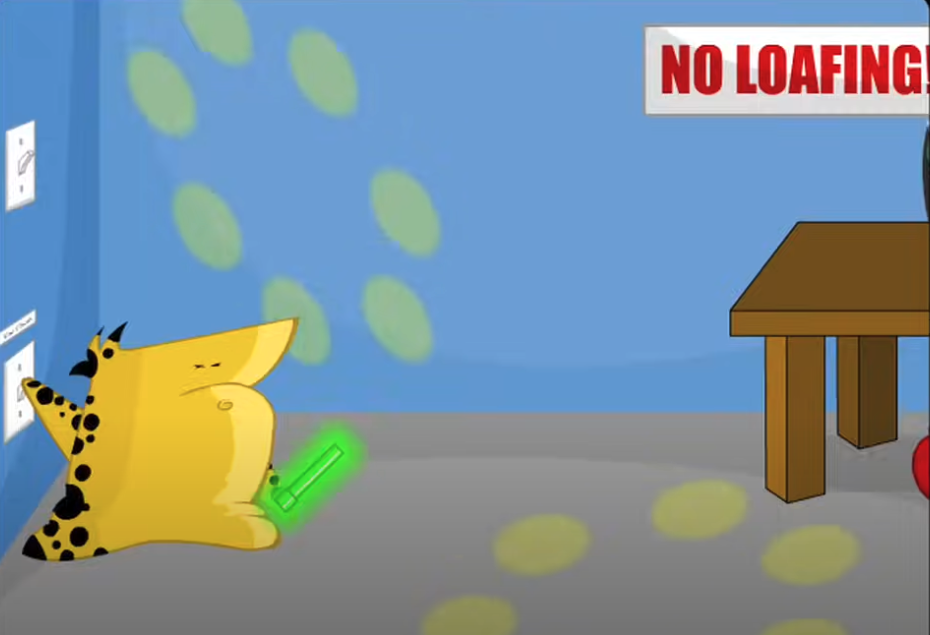
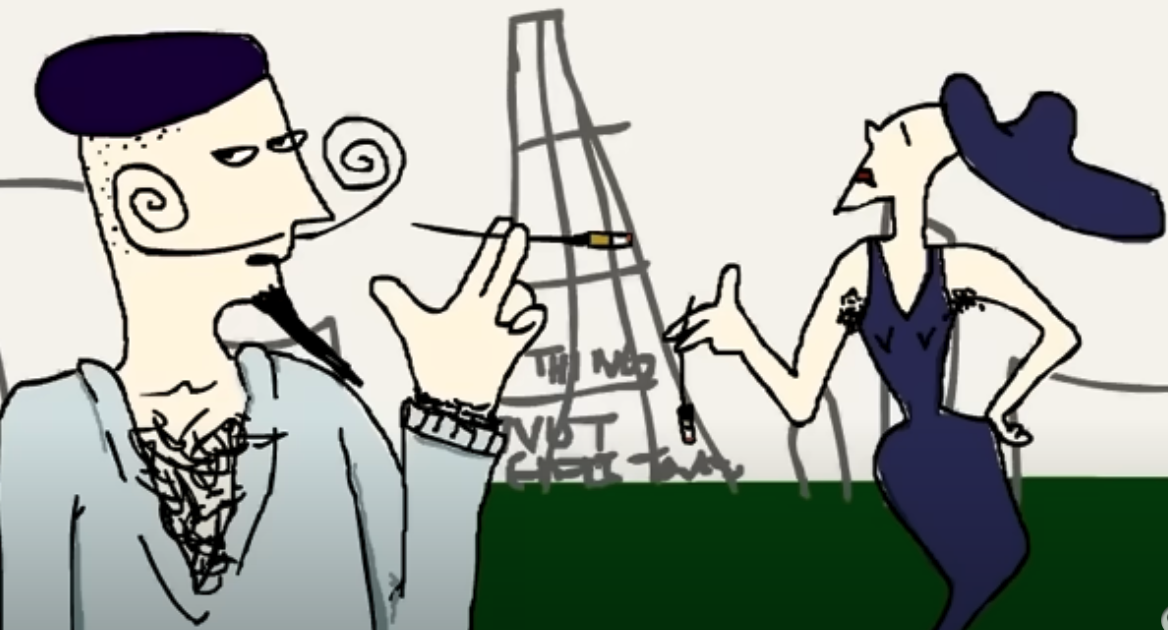
These are stills from, respectively: REJECTED by Don Hertzfeldt, MrWeebl’s Badgers, Strong Bad Email #45 - Techno and The End of the World. Each video is, by my reckoning, an iconic example of 2000s internet culture in all of its anarchic glory. The lines from those videos are a Millennial shorthand, although I wince at how “But I am le tired” has become less ironic the closer I get to my 40th birthday. Maybe you have a stronger consitution than me and aren’t muttering badger badger badger badger under your breath, but I doubt it.
I bet that if you were online in the 2000s, each of those stills evokes a specific and inescapable auditory memory. Some of you may even be able to quote the videos entirely. If you pause for a moment, you also might remember the first time you watched those videos, the audio leaking from tinny speakers or wired headphones you shoplifted from RadioShack. Most of the videos from the 2000s, like REJECTED or entire the Homestar Runner back catalogue, are available on YouTube. The video is often cleaned up to make them look more modern. What often remains untouched is the audio, which retains a gloriously wonky quality from a time of downsampled digital files.
The digital dirt of 2000s audio is a sound I’ve grown to love more and more as its own nostalgic artifact. The jittering gargle of a crappy connection evokes a specific moment in time where it was possible to access so much more music than before, but at the cost of fidelity (and sometimes a functioning hard drive). I’m now catching bars of that sound in contemporary music. Listen to Phoebe Bridgers’ “Garden Song.” The song’s opening is pillowed with digital fuzz, a nifty effect achieved with a plugin called Lossy. Lossy was designed to replicate the sound of a bad download, a glitchy mp3 file, a Madonna song playing out of a Nokia cell phone speaker. It’s beautiful in its defiance. You can buy the plugin yourself and drench your production in Winamp vibes. If you’re like me and love to twist a knob or feel the satisfying thunk of plugging in a 1/4” cable, you can get the Lossy pedal Chase Bliss made with Goodhertz. It’s great.
Did I need to buy a guitar pedal that makes my synths sound like a failing dial-up modem? Of course not. But I don’t think of it so much as a pedal but a time machine. I’m resigned to my midlife crisis manifesting in musical equipment and an irrational fondness for corrupted audio files. Sometimes I want a little grit and unpredictability, a little shoplifted magic, or a DIY rave with a lightswitch and a stereo.